Kategoriler
Yeni Blog
From Buildings to Protecting Computing Power: Systematic Upgrades for Lightning Protection in AI Data Centers
November 18 , 2026AI intelligent computing and supercomputing centers make extensive use of low-voltage semiconductor devices that are highly sensitive to overvoltage. Even when a lightning strike occurs several kilometers away, surges can propagate simultaneously through the mains power supply, UPS bypass, and grounding network into redundant systems—triggering server restarts and interrupting training processes.
Computing centers are not inherently more susceptible to direct lightning strikes; however, voltage spikes lasting only microseconds can cause network outages and data loss. Consequently, lightning protection has become an essential component for ensuring business continuity.

The true destructive potential of lightning risk lies in systemic, cascading failures.
While dual utility power feeds, UPS systems, and diesel generators address single-point failures, surges can trigger common-cause failures—where multiple redundant paths are compromised simultaneously by a single transient event. A comprehensive lightning protection system serves as a critical safeguard for maintaining system uptime.
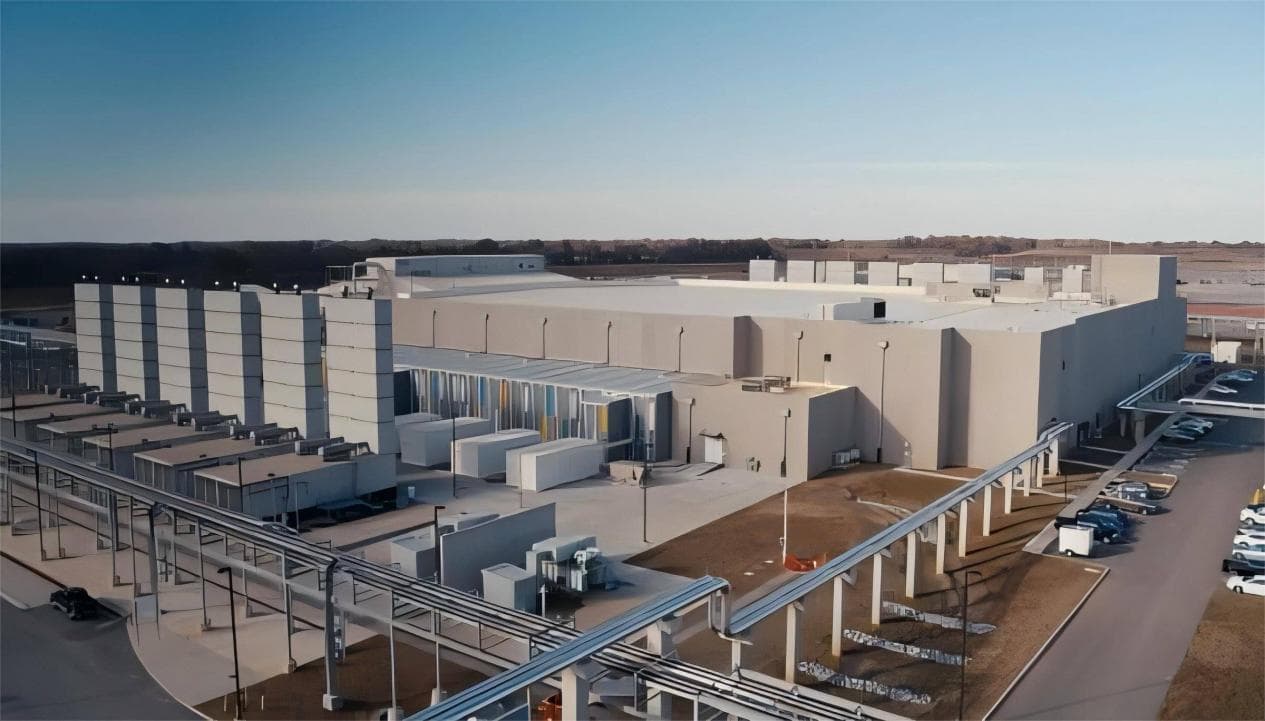
Lightning protection is not just about installing lightning rods, nor should it be focused solely on grounding resistance values.
Many equipment rooms are already equipped with lightning rods, grounding grids, and surge protective devices (SPDs); however, effective protection is far more than just a collection of such components. With rooftop equipment and power distribution systems intertwined, the exposed surface area is greater, and there are more potential coupling paths for surges.
A comprehensive system comprises at least five layers: external lightning interception and discharge of lightning currents; comprehensive grounding and equipotential bonding; tiered deployment of surge protective devices (SPDs); synchronized protection for power, communication, and automated control lines; and the mitigation of induced lightning through shielding and standardized cabling.
Low-frequency grounding resistance does not equate to effective protection, and the installation of an SPD does not eliminate all risks. Success hinges on factors such as parameter matching, short and direct lead connections, inter-stage coordination, and the residual voltage at the equipment end.
In the era of AI computing, the scope of lightning protection has long extended well beyond server hardware.
In traditional data centers, losses are primarily associated with hardware replacement; in contrast, the core assets of an intelligent computing center are long-duration training tasks. A brief disruption can render weeks of training efforts entirely futile.

Consequently, the approach to lightning protection has shifted from safeguarding hardware to ensuring the continuity of computing power: the new benchmark is now whether one can minimize unplanned downtime and deliver computing capacity reliably.
The new frontier in the lightning protection market is no longer just about selling SPD products.
The integration of energy storage, photovoltaics, microgrids, and direct green power supply has made surge pathways more complex. Demand is shifting from the procurement of individual components toward comprehensive solutions that encompass lightning protection, grounding, surge protective devices (SPDs), early warning systems, and operations and maintenance.

Anhui Jinli specializes in the R&D, manufacturing, and comprehensive solution provision for lightning protection products. The company possesses full-chain capabilities, encompassing risk assessment, system design, inter-stage coordination analysis, on-site testing, and online monitoring. The focus has shifted from merely comparing the surge current capacity of individual surge protective devices (SPDs) to implementing a systematic protection framework that is fully designable, verifiable, and traceable.
Jinli elektrikli wechat

Adres :No. 97-2 Yonghe Road, High-tech Zone, Hefei, Anhui, China
Tel : 0086-0551-65307363
E-posta : jinlispd@ahjinli.com
E-posta : lynn@ahjinli.com
Whatsapp/Wechat : 15209885162