Kategoriler
Yeni Blog
Yüksek rakımlı bölgelerde kullanılan aşırı gerilim koruma cihazları (SPD'ler) için elektriksel mesafenin artırılması gerekmektedir. GB/T 18802.11 standardı, test ve sertifikasyonda bu gereksinimi nasıl yansıtmaktadır?
April 28 , 2026GB/T 18802.11 standardı, elektrik yalıtım dayanımına irtifanın etkisini açıkça kabul eder ve bunu test koşullarında bir "irtifa düzeltme faktörü" aracılığıyla dahil eder. Standart genellikle temel irtifa olarak 2000 metreyi kullanır. aşırı gerilim koruma cihazları (SPD'ler) Daha yüksek irtifalarda (örneğin 5000 metrede) normal şekilde çalışabildiği iddia edilen bu cihazlar için test gereksinimleri daha katıdır.
Tasarım esasları: Tasarım aşamasında, üreticiler IEC 60664-1 standardına göre beyan edilen maksimum çalışma yüksekliğine bağlı olarak düzeltme faktörünü hesaplamalı ve buna göre ürün içindeki tüm kritik elektriksel açıklıkları artırmalıdır.
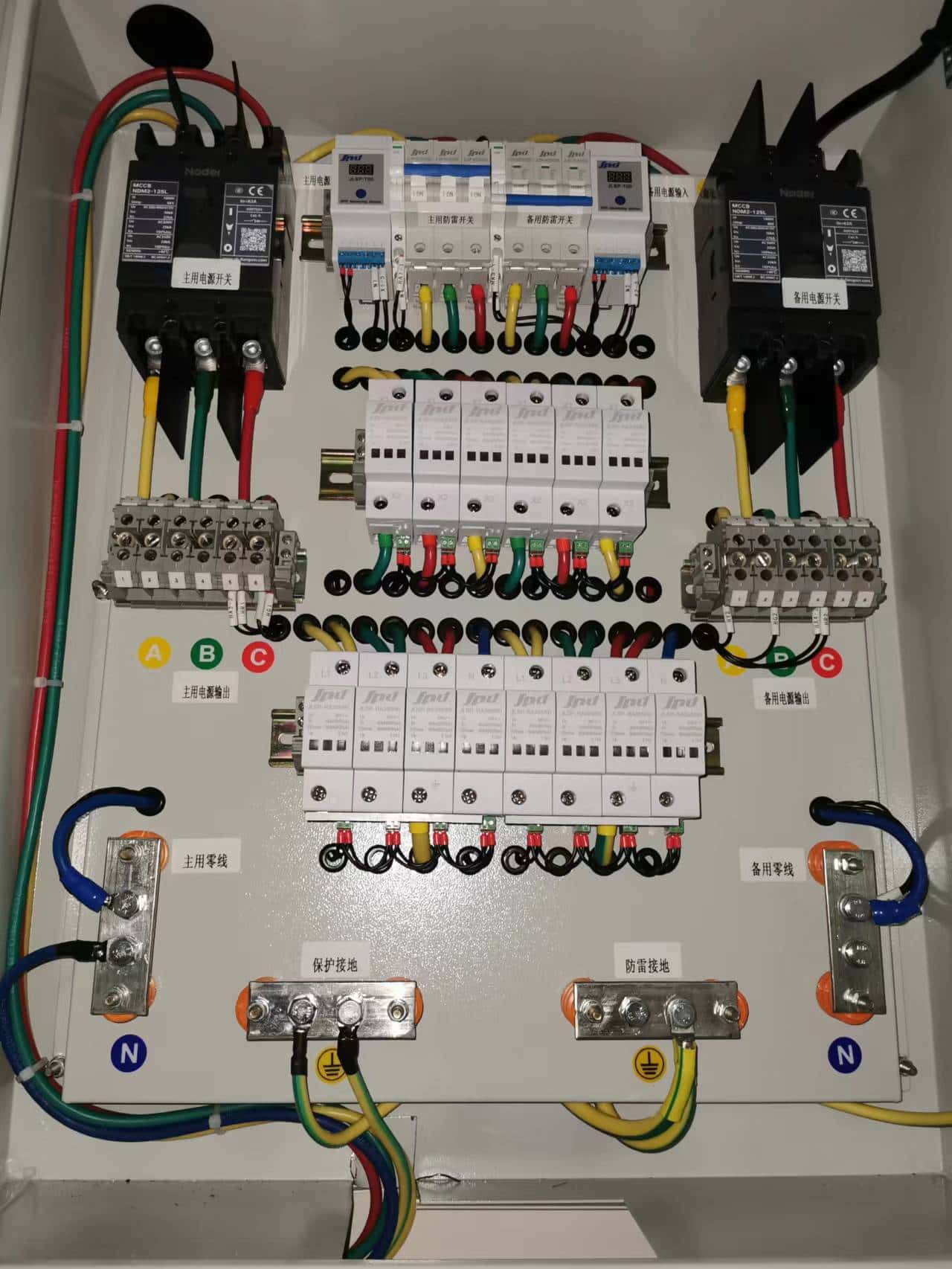
Deneysel Doğrulama: Bu geliştirilmiş tasarımın etkinliğini doğrulamak için, standartlar, bu tür aşırı gerilim koruma cihazlarının (SPD) darbe gerilimi testinde kullanılan test geriliminin, referans test gerilimine göre 1'den büyük bir yükseklik düzeltme faktörüyle çarpılmasını gerektirir. Örneğin, 5000 metrede kullanıma uygun olduğu iddia edilen bir SPD için, darbe test gerilimi, aynı model SPD'nin 2000 metrede kullanımına göre yaklaşık %25 daha yüksek olmalıdır. Bu, yüksek irtifalarda daha düşük hava basıncı nedeniyle azalan izolasyon dayanımını simüle eder. Sadece bu geliştirilmiş gerilim testini geçebilen SPD'ler, ilgili yüksek irtifa ortamı için uygun olarak sertifikalandırılabilir. Bu, giriş koşullarının şiddetini artırarak ürün tasarımının uyarlanabilirliğini doğrulamak için kullanılan bilimsel bir yöntemdir.
Jinli elektrikli wechat

Adres :No. 97-2 Yonghe Road, High-tech Zone, Hefei, Anhui, China
Tel : 0086-0551-65307363
E-posta : jinlispd@ahjinli.com
E-posta : lynn@ahjinli.com
Whatsapp/Wechat : 15209885162